Learn proper technique and build endurance with this effective full-body exercise.
There is a common misconception that getting in shape requires complicated equipment or hours at the gym. In reality, some of the most effective workouts come down to simple movements performed consistently. When I first started coaching athletes, I watched people chase expensive machines and trendy classes, only to find that basic conditioning produced the best results. Jumping rope stands out as one of the most efficient full-body workouts you can do in a small space. It builds cardiovascular endurance, sharpens coordination and strengthens your legs without pounding your joints the way running does. The beauty of this exercise lies in its accessibility, and it builds fitness in every sense, from stamina to flexibility, without requiring anything beyond the rope itself.
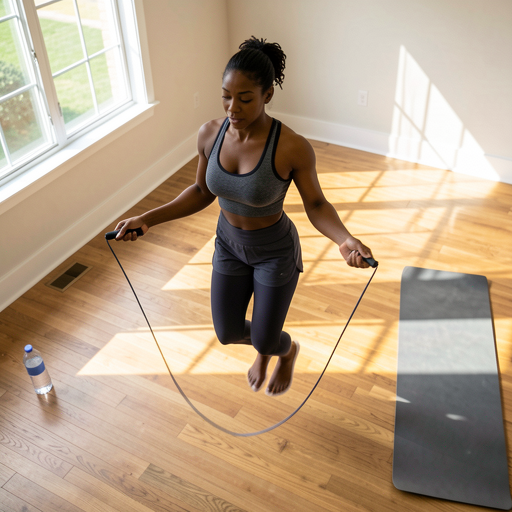
You can do it in your garage, a hotel room or a park with minimal gear. The question becomes not whether you have time, but whether you have the discipline to show up and do the work. Building a sustainable routine starts with understanding progressive overload and proper technique. Begin with short intervals of two to three minutes, focusing on form rather than speed. Keep your elbows close to your body, rotate from your wrists rather than your arms and land softly on the balls of your feet. If you are learning to jump rope for the first time, start with double-unders off the table or count your jumps carefully.
🤙🏾
A steady rhythm will emerge as your muscles develop the necessary motor patterns. Aim to increase your total time in the air by thirty seconds each week rather than chasing personal records on day one. Consistency matters far more than intensity when establishing any new habit and your body will adapt faster than you expect if you give it reasonable milestones. Nutrition and recovery deserve equal attention alongside your training schedule. Most people I coach neglect the recovery side of the equation, pushing through fatigue until they hit a wall or pick up an injury. Sleep quality, hydration and adequate protein intake determine how quickly your muscles repair between sessions.
🕵🏿♂️
Stretching your calves, hamstrings and shoulders after each workout prevents the tightness that often derails beginners. Keep a simple log of your sessions, noting how long you jumped, how many rest breaks you took and how your body felt afterward. This data becomes invaluable when you hit a plateau, which every serious trainee encounters at some point. The log also keeps you honest during weeks when motivation dips and the only thing carrying you forward is accountability to your own numbers. The long-term benefits extend far beyond physical appearance. Building lean muscle and cardiovascular health both improve with this practice, which also refines footwork for sports and builds mental resilience that transfers to every area of your life.
🚴️
Athletes across disciplines use it because it simulates the demands of competition: sustained effort, quick recovery and sharp reflexes. You will notice improvements in your stamina during daily activities, better balance on uneven terrain and a confidence that comes from knowing you can push through discomfort. Set yourself a realistic goal for the next eight weeks. Whether you want to run uninterrupted for ten minutes, complete a specific number of jumps or simply feel more energized throughout the day, the path is clear. The only variable that determines your success is whether you commit to showing up, day after day.
